Smart RMU for Distribution Automation & Grid Control

Intelligent complete sets of electrical switchgear and intelligent controller products are essential components in the manufacturing of intelligent ring main units (RMUs). The intelligent integration of complete switchgear combines advanced manufacturing technologies with information technology, effectively enhancing the power grid’s capabilities in state awareness, data analysis, decision-making, control, and learning, thereby fully embodying the digital, networked, and intelligent development requirements of intelligent RMUs.
1. Business Model of Intelligent Ring Main Units
Intelligent RMU services are user-centric, especially targeting customers in mega-cities. Based on technical requirements proposed by high-end users, intelligent equipment service providers can configure appropriate products and services to meet their needs.
Intelligent equipment products require a deep understanding of users’ latent preferences and demands. By intelligently correlating massive amounts of data (i.e., smart data), these insights are transformed into intelligent services. To achieve this functionality, engineering, procurement, and construction (EPC) or technology integrators must collect and analyze user information through networks to clearly understand their ecosystem and contextual scenarios, thereby establishing data-driven business models.
2. Intelligent Ring Main Units
2.1 Intelligent Equipment: Integrated Primary and Secondary Distribution Automation Complete Sets
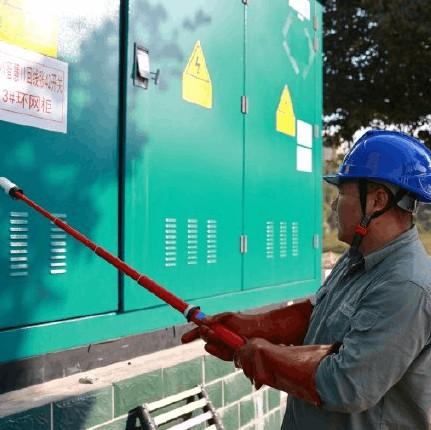
Intelligent RMU automation complete sets can realize technical processes such as fault location, fault isolation, load monitoring, line transfer supply, and live-loop transfer supply.
To enable automatic self-healing and power restoration after fault clearance in distribution networks, the most fundamental requirement is highly efficient intelligent equipment.
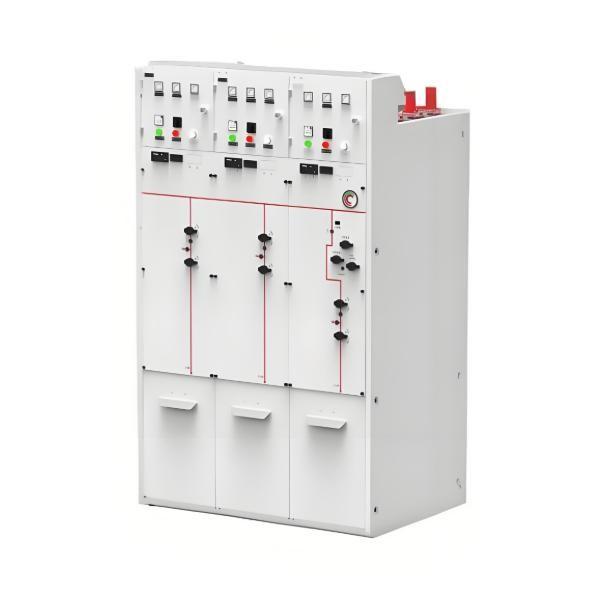
To meet the manufacturing and operational requirements of intelligent electrical control equipment, rational electrical control process design is essential. This includes structural design of electrical control cabinets, overall layout diagrams, general wiring diagrams, and detailed assembly and wiring diagrams for each component.
2.2 Development of Intelligent Ring Main Units
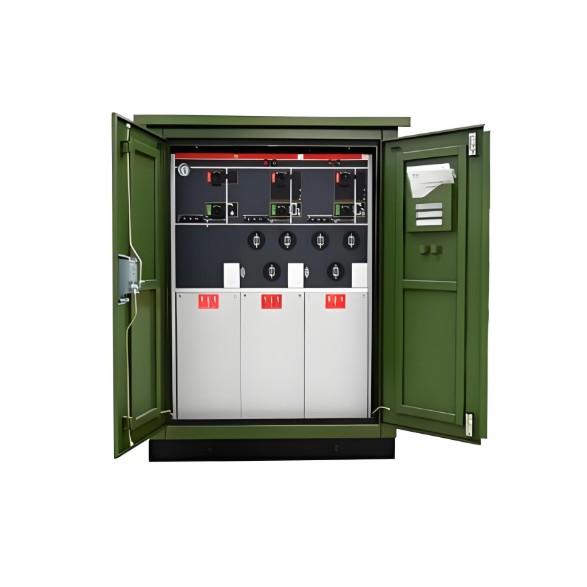
With continuous advancement in distribution network construction and upgrades, urban cable penetration rates are steadily increasing. Outdoor switching stations and switchgear cabinets are widely adopted due to their compact size, comprehensive functionality, and low cost. The integration of primary and secondary equipment has driven equipment upgrades, and the power terminal market now demands higher safety, reliability, and automation levels from high- and low-voltage complete electrical equipment used as main control devices in power systems.
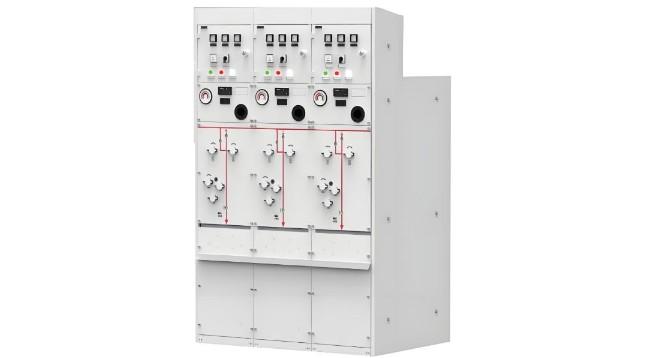
Retrofitting manual switchgear enhances distribution automation and comprehensively improves grid management and control capabilities. Primary-secondary integration technology enables electrical switchgear to provide functions such as automatic alarming, emergency response, real-time operation monitoring, maintenance inspection, information surveillance, and backend statistical data analysis. This integration also represents a practical secondary upgrade approach for traditional electrical equipment at the current stage.
2.3 Electrical Equipment Upgrade Strategy
With the arrival of the equipment automation era, traditional manual operations are rapidly transitioning toward automated and intelligent manufacturing. Traditional economic models urgently require enhanced control mechanisms in terms of speed and error prevention. As industrial and IT equipment—key infrastructure of the information and communications technology sector—enter a period of rapid development, transformations are occurring across product architecture, manufacturing models, and industrial ecosystems.
Integrated electrical switchgear systems serve as the cornerstone for achieving intelligent and automated distribution network modules in modern industry. In the future, the production of electrical equipment will inevitably integrate with internet-based control system software technologies, giving rise to integrated manufacturing systems for distribution automation complete sets. This will enable widespread deployment of intelligent equipment and truly realize plug-and-play functionality.
3. Building an Intelligent Product Standard System
The performance of intelligent grid switching devices varies significantly and still lags behind international counterparts in certain aspects. Therefore, it is urgent to establish a standard framework for intelligent products and promptly develop foundational standards—including terminology and general technical requirements—to regulate and guide enterprises in the R&D of intelligent products. Research and formulation of intelligent product standards will enrich and improve the content and structure of intelligent manufacturing standards, set specific technical requirements for product intelligence in China, guide manufacturers to enhance product intelligence levels, and promote the development of intelligent manufacturing in the country.
Standards must possess the characteristics of “common and repeated use.”
The formulation of intelligent RMU standards is necessary only in activities that occur repeatedly. In such cases, experience from operational processes and outcomes must be summarized, and the best solutions selected as the basis for future practice—this is standardization.
Standards are the product of consensus. Consensus means that no substantive objections remain, and any dissenting views have been reconciled. The purpose of consensus is to achieve optimal order and maximum social acceptance and benefit.
Standards are based on scientific knowledge and practical experience. However, both technology and experience must undergo analysis, comparison, and selection. Standards follow fixed development procedures and publication processes. Once established, all stakeholders must jointly comply with the format and procedures stipulated in the standards, which also constitute the fundamental operational norms of standardization.